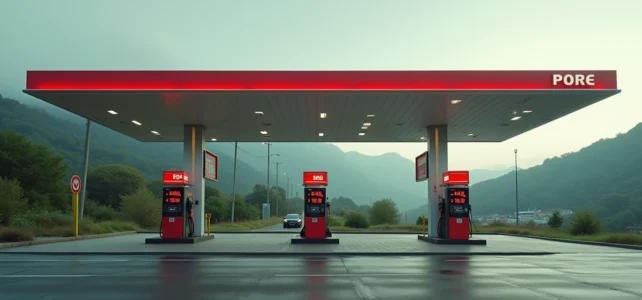
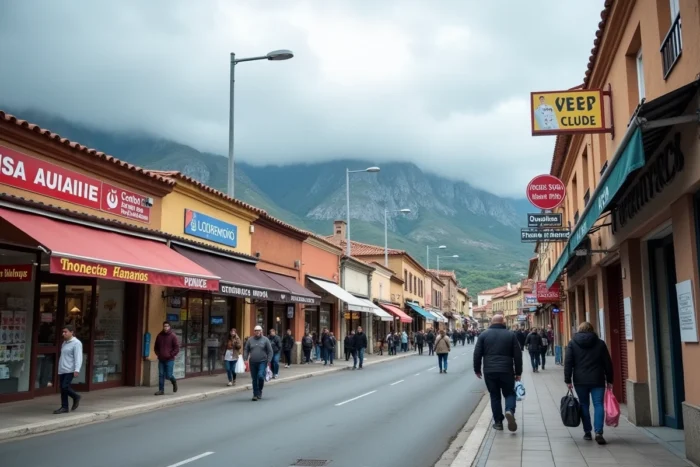
Dancharia, a small border village in Navarre accessible in just a few minutes from the French Basque Country, attracts thousands of consumers each year who come to take advantage of the tax gap between France and Spain. Fuel, alcohol, tobacco: the prices displayed on the Spanish side remain significantly lower than those in France. However, the purchasing conditions, customs quotas, and local offerings have evolved, transforming the simple cross-border trip into a regular habit for the residents of the Basque coast.
Fuel Taxation in Dancharia: Why the Gap Persists
The price difference at the pump between France and Spain is not due to the price of crude oil, which is the same on both sides of the border. It is explained by the tax structure. The French TICPE (internal consumption tax on energy products) weighs significantly more than its Spanish equivalent, the Impuesto Especial sobre Hidrocarburos.
The result: on a full tank, the savings regularly exceed several euros per liter combined. The gas stations located in the immediate vicinity of Dancharia, especially those in the Landibar area or large border supermarkets, display prices significantly lower than French stations for diesel and SP95.
This structural differential persists in 2026. Several factors contribute to it, including a historically lighter Spanish tax policy on fuels and competition among border stations that drives prices down. Motorists consulting the Dancharia fuel guide on E-Nomad find these detailed discrepancies item by item.
One often overlooked point: the waiting time at the pumps during summer weekends or school holidays. Lines can reach half an hour during peak hours, which reduces the actual gain when considering the fuel burned in traffic jams on the D406 or D918. Choosing weekdays or the early morning hours remains the most reliable way to avoid the crowd.
Alcohol and Tobacco in Dancharia: Real Prices and Customs Limits
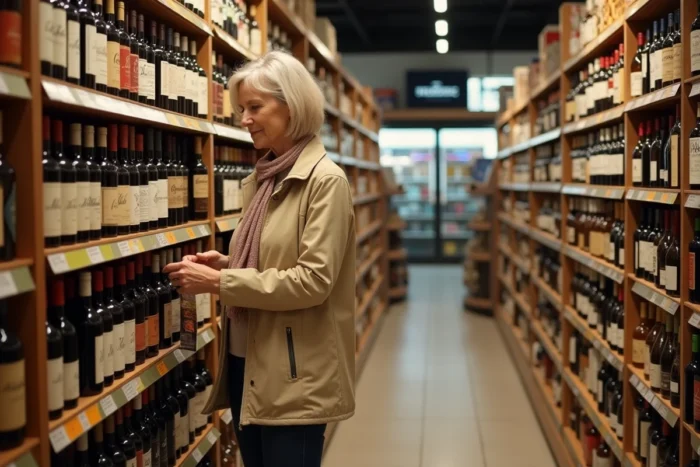
Alcohol, along with tobacco, represents the most visible area of savings in Dancharia. The ventas feature entire aisles of spirits, wines, and beers at prices sometimes halved compared to French supermarkets. Premium spirits (whiskey, rum, gin) show the most significant discrepancies, driven by a Spanish tax policy on excise duties that is significantly lower.
Tobacco follows the same logic. A carton of cigarettes costs significantly less in Spain, but the quantities allowed when crossing the border are regulated by European law. French customs have been applying these thresholds with increasing rigor since 2024.
Customs Quotas in Effect for Individuals
- Tobacco: 200 cigarettes (i.e., one carton), 250 g of rolling tobacco, 50 cigars, or 100 cigarillos per adult.
- Alcohol: 1 liter of spirits and 4 liters of wine per adult. Fortified wines (port, sherry) and beer are also subject to thresholds set by European regulations.
These thresholds apply per adult and per trip. Exceeding the quotas exposes one to the confiscation of goods and a fine, which can amount to several times the value of the seized products. Inspections occur randomly but regularly on the routes back to Bayonne, Saint-Jean-de-Luz, and Cambo-les-Bains.
Dancharia in 2026: Beyond Tobacco and Alcohol
The ventas of Dancharia are no longer limited to cartons of cigarettes and bottles of pastis. Since 2024, the commercial hub around Landibar has been structured with brands like Venta Peio, which has opened several stores covering fashion, perfumery, cosmetics, and food.
The most notable evolution concerns loyalty programs with permanent discounts. Venta Peio now offers a loyalty card that accumulates gift vouchers usable on future visits, including on high-end products. This mechanism transforms the logic of the “one-time good deal” into a strategy of recurring purchases, two to three times a year, to maximize deferred discounts.
This commercial shift explains why Dancharia attracts a broader customer profile than before. Families come to do their grocery shopping (fruits, vegetables, charcuterie, cheeses), while others target cosmetics or ready-to-wear at reduced prices. The offering far exceeds the triptych of fuel-alcohol-tobacco that has built the village’s reputation.
Real Profitability of a Trip to Dancharia: What Guides Omit
The calculation of gross savings (Spanish price minus French price) does not always reflect the net gain. Several variables come into play and deserve to be clearly stated.
The cost of the round trip depends on the distance from your home, the price of fuel consumed (even if it is purchased cheaper on-site), and any tolls if you take the A63 highway. For a resident of Hendaye or Urrugne, the detour is marginal. From Bordeaux or Pau, the calculation changes radically.
The time spent also counts. A half-day dedicated to the trip, filling up, shopping, and returning represents an opportunity cost that each person evaluates differently. The savings become truly interesting from a basket combining fuel, alcohol, and grocery shopping, rather than a trip solely for filling up with gas.
Field reports vary on this point: some regulars estimate saving several hundred euros a year thanks to regular visits, while others feel that the gain diminishes once travel costs and time are factored in. The answer closely depends on geographical proximity and the volume of planned purchases.
Dancharia remains a tangible economic lever for residents of the French Basque Country and the south of Landes, provided that purchases are grouped, customs quotas are respected, and one does not idealize a price gap that, on certain common food products, is gradually narrowing as Spanish supermarkets adjust their margins.